

ARGENTA TERRA INTERNATIONAL maritime technologies as well as research and development are geared for the fishing fleet industry in Indonesia and countries across the globe. In addition development of Servo drives and Robotic arms is a milestone that we offer as a complete cycle from design to implementation and that helps our partners to achieve a higher technological level and boost in industrial sphere, manufacturing, medicine and others. Our objective is to promote technologies that help make industries safer, more efficient and competitive.

RESEARCH AND DEVELOPMENT
Working together in cooperation with various project partners makes it possible for us to implement a wide range of highly technological innovative research projects in a targeted manner for our customers in maritime, manufacturing, medical and other industries…
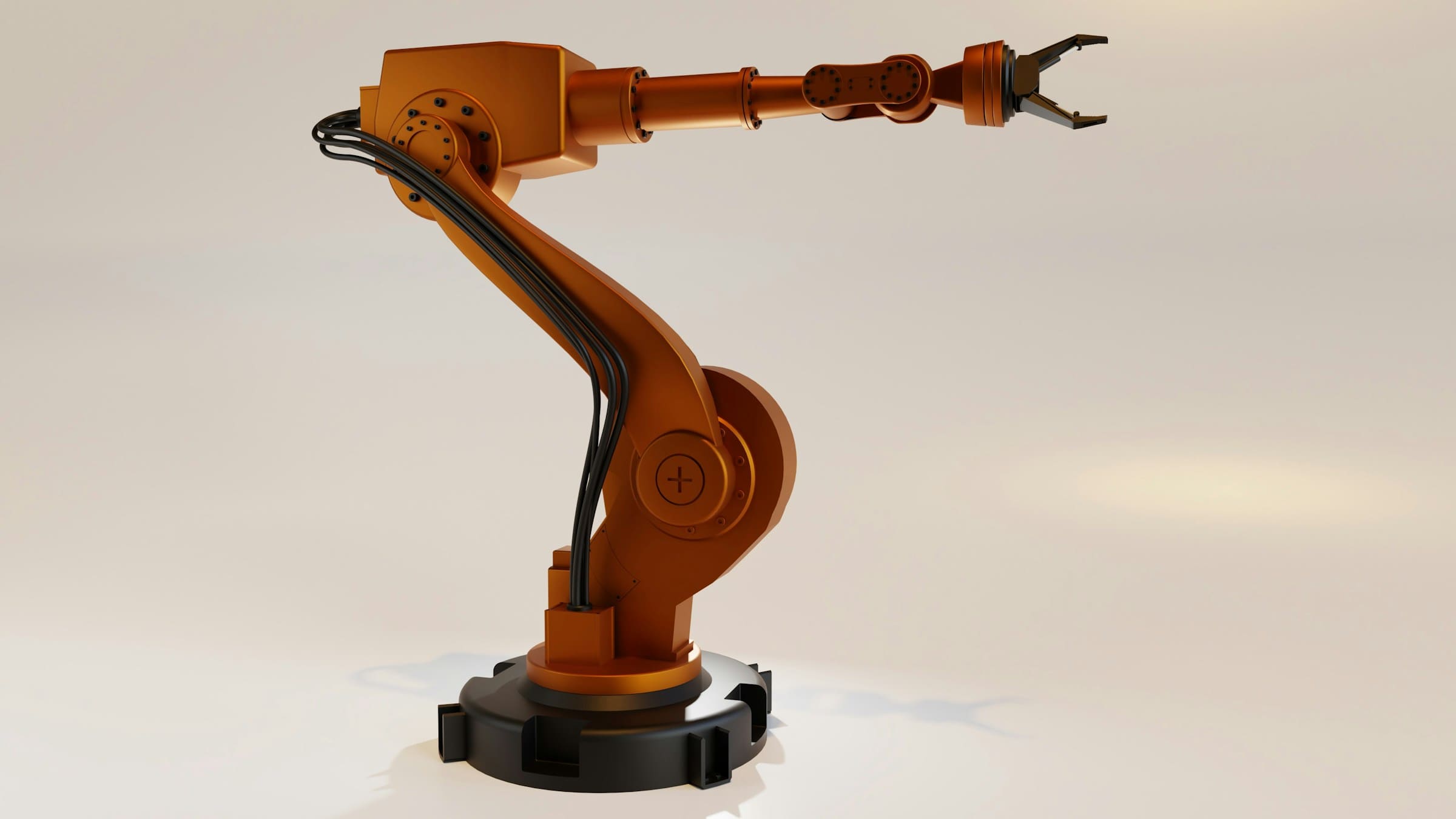
INDUSTRIAL SERVO DRIVES
AND ROBOTIC ARMS
Robotic arms are essential in industries ranging from automotive assembly lines to delicate surgical procedures. At the core of robotic arm’s functionality are servo motors, which provide the precise control necessary for complex movements.

MARITIME
We specialize in providing innovative solutions for superior vessel control and communications solutions for all types of vessels as well as serving our customers with products to solve common challenges faced by all types of offshore vessels.
NEWS
Offshore wind farms depend on advanced maritime infrastructure for installation, operation and maintenance – processes that have traditionally been carbon intensive. However, through a focus on electrification, energy efficiency, alternative fuels and resource circularity, robust R&D efforts can help steer the sector towards the critical transition to a low-carbon economy.
While diverting capital into R&D is a necessity, it is important that these resources are channelled effectively. Resource circularity, health and safety are also crucial factors to consider when planning R&D strategies.
Strategic R&D is essential for driving innovation and ensuring that technology keeps pace with industry growth, investor trends and regulatory requirements. By directing R&D efforts towards key areas such as electrification and low-carbon technologies, the maritime sector can chart a course to a more robust and resilient future.
The new study, published in Environmental Research Letters, has found that the ACC is likely to slow down by up to 20% in 2050 if high carbon emissions continue. If the ACC were to weaken, it may allow the migration of warmer water towards Antarctica, which would cause more ice to melt and slow the current even more – creating a vicious cycle.
A slowdown, along with any decline in ACC strength, is expected to reduce the ocean’s ability to absorb heat and carbon from the atmosphere. This has the potential to speed up climate change – both on land and in the ocean.
To prevent such dynamics, the world must focus on reducing greenhouse gas emissions to prevent the ocean absorbing more atmospheric heat that’s ultimately directed towards Antarctica, say the researchers.